เรจเป ตายิป แอร์โดซาน เทียบกับ เบนจามิน เนทันยาฮู
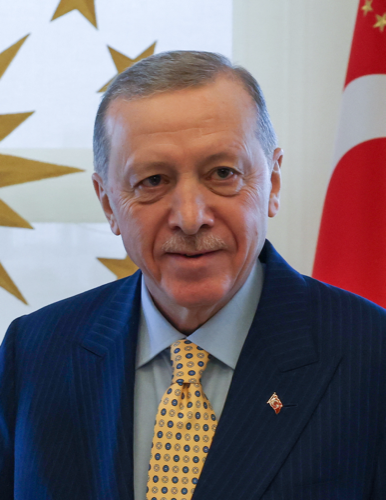
เออร์โดวัน มีอิทธิพลภูมิภาคที่มากกว่านെตันยาฮู อย่างมีนัยสำคัญในปี 2569 โดยใช้ประโยชน์จากตำแหน่งของตุรกีในนาโต และภูมิศาสตร์ที่สำคัญ ขณะที่นെตันยาฮู เผชิญกับข้อจำกัดทางการเมืองภายในประเทศก่อนการเลือกตั้งที่จะมาถึงในไม่ช้า
อ่านรายงานฉบับเต็มแสดงน้อยลง
สถานะทางการเมืองปัจจุบันและข้อจำกัดด้านวาระการดำรงตำแหน่ง
เออร์โดอัน ดำรงตำแหน่งประธานาธิบดีของประเทศตุรกีจนถึง พ.ศ. 2571 หลังจากการเลือกตั้งซ้ำในปี พ.ศ. 2566 เนตันยาหู ดำรงตำแหน่งนายกรัฐมนตรีตั้งแต่เดือนธันวาคม พ.ศ. 2565 โดยมีการเลือกตั้งครบกำหนดภายในสิ้นปี พ.ศ. 2569 ซึ่งวางเขาไว้ในวัฏจักรการเลือกตั้งในระยะใกล้ การแตกต่างของโครงสร้างมีความสำคัญ เออร์โดอันดำเนินการภายในวาระที่กำหนดไว้อย่างชัดเจนโดยไม่มีความกดดันการเลือกตั้งซ้ำในทันที ขณะที่เนตันยาหูต้องเผชิญกับความจำเป็นในระยะใกล้ของการชนะการมอบฉันทะใหม่หรือการสละอำนาจ
การวางตำแหน่งในภูมิภาคและอิทธิพล
Erdogan controls Turkey's position as a NATO member state bridging Europe and Asia, a geography that compounds his negotiating leverage. Recent signals show the U.S. signaling a smaller Middle East footprint while Turkey is ready to step in, according to GeoGazet tracking. Netanyahu leads a nation whose security and diplomatic standing depend heavily on American support, constraining his independent maneuvering. Erdogan's demonstrated ability to play East and West, winning room to maneuver, reflects a bilateral diplomatic flexibility that Netanyahu cannot replicate given Israel's narrower coalition of allies and the current American strategic retrenchment.
ทุนทางการเมืองในประเทศ
Netanyahu confronts substantive internal challenges heading into the 2026 election window. Coalition management, judicial reform controversies, and regional military operations have created domestic friction that will shape his campaign messaging and negotiating bandwidth. Erdogan, by contrast, operates without immediate electoral pressure and faces a domesticated opposition after consolidating executive power over the preceding decade. This temporal advantage gives Erdogan greater freedom to make strategic commitments without the distraction of campaign cycles.
วิถีปฏิบัติไปข้างหน้าและเหตุการณ์ที่อาจเกิดขึ้น
Turkish influence appears set to expand as American retrenchment from the Middle East creates power vacuums. Carney plans to visit Turkey this month according to recent reporting, signaling sustained bilateral engagement. Netanyahu's trajectory depends entirely on electoral outcome in late 2026, after which either continuity or transition will reshape Israeli foreign policy. The current 100 tracked events in the GeoGazet graph reflect sustained Turkish diplomatic activity, whereas Israeli strategy currently remains tethered to immediate domestic political survival rather than long term positioning. Unless Netanyahu secures a decisive electoral victory and sustains coalition stability, Turkey will continue widening its regional advantage through the remainder of the decade.