Ναρέντρα Μόντι εναντίον Σι Τζινπίνγκ
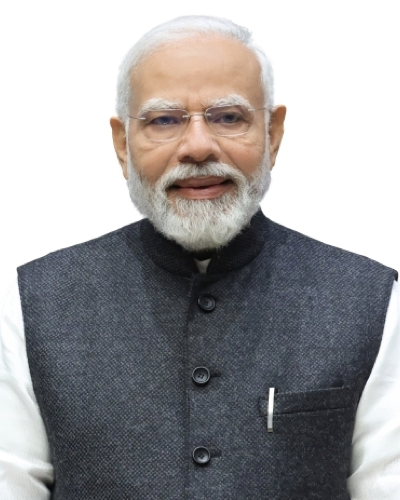
Ο Ναρέντρα Μόντι διαθέτει μεγαλύτερη επίσημη εξουσία στο σύστημά του ως Πρωθυπουργός της Ινδίας από το 2014, ενώ ο Σι Τζινπίνγκ ελέγχει ευρύτερα τη δημόσια διοικητική μηχανή ως Πρόεδρος της Κίνας και Γενικός Γραμματέας του Κομμουνιστικού Κόμματος από το 2013.
Και οι δύο αντιμετωπίζουν εσωτερικές πολιτικές πιέσεις, αν και οι θεσμικοί περιορισμοί τους διαφέρουν θεμελιακά.
Διαβάστε την πλήρη έκθεσηΕμφάνιση λιγότερων
Τρέχουσα Εξουσία και Συνταγματική Θέση
Ο Μόντι υπηρετεί ως Πρωθυπουργός της Ινδίας υπό ένα κοινοβουλευτικό σύστημα όπου η εκτελεστική εξουσία κατανέμεται σε πολλά ιδρύματα. Κατέχει αυτό το αξίωμα από το 2014 και δεν αντιμετωπίζει συνταγματικό όριο θητείας· το εκλογικό σύστημα της Ινδίας επιτρέπει την απεριόριστη επανεκλογή. Ο Σι Τζινπίνγκ κατέχει μια περισσότερο συγκεντρωμένη δομή εξουσίας ως Πρόεδρος της Κίνας και Γενικός Γραμματέας του Κομμουνιστικού Κόμματος, αξιώματα που κατέχει από το 2013. Η Κίνα κατάργησε τα προεδρικά όρια θητείας το 2018, εξαλείφοντας τυπικά τις θεσμικές περιορίσεις της θητείας του. Σε μέτρα ακατέργαστης εξουσίας, ο Σι Τζινπίνγκ ελέγχει ένα κόμμα που ελέγχει όλες τις λειτουργίες του κράτους, ενώ ο Μόντι λειτουργεί εντός μιας ανταγωνιστικής πολυμερούς δημοκρατίας που απαιτεί διαχείριση συνασπισμού και νομοθετική συναίνεση.
Εσωτερική Σταθερότητα και Πολιτικό Στρες
Both leaders currently face significant domestic friction. Recent tracking data shows mass protests in India demanding the resignation of the poll chief, with fresh demonstrations shaking the country over voter roll management across multiple days. These represent direct challenges to Modi's electoral credibility and institutional integrity at a critical moment. India's influence score in current assessment stands at 11 out of 100, reflecting substantial internal constraint. Xi faces different but parallel pressures within the Communist Party ahead of the 2027 Party Congress, though China's controlled information environment obscures public protest data comparable to India's open reporting. The next Indian general election is scheduled for 2029, creating a defined electoral accountability mechanism Modi cannot avoid.
Διεθνής Θέση και Οικονομική Τροχιά
Modi's administration confronts immediate economic and technology policy challenges reflected in tracked signals emphasizing chips and technology bans alongside broader economy and rates concerns. India maintains 99 tracked signals reflecting substantial democratic discourse around policy direction. Xi's position relative to US chip export controls and technology decoupling represents a permanent structural challenge requiring constant party alignment to maintain. Neither leader currently commands the geopolitical influence their nations possessed at previous periods, with both facing rising costs of domestic legitimation.
Πορεία Προόδου Μέχρι 2027 έως 2029
Modi will face electoral renewal in 2029, creating measurable institutional pressure to demonstrate governance success before then. This timeline forces performance validation through democratic mechanisms. Xi must navigate the 2027 Communist Party Congress without equivalent electoral accountability, though succession planning and factional management remain consequential. The trajectory for both shows consolidation of power within their respective systems, but Modi operates under greater transparency and reversibility than Xi. Both leaders are now in their mid to late tenure, facing the structural tests that define whether their consolidations endure.