Narendra Modi vs Xi Jinping
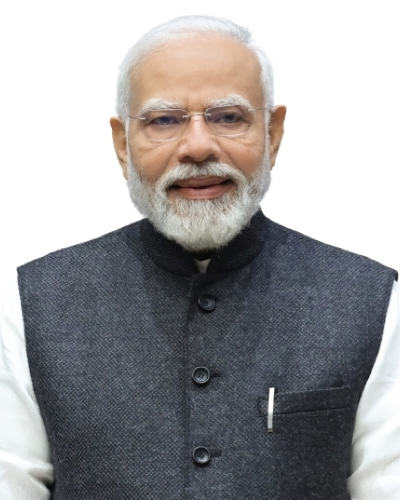
Narendra Modi and Xi Jinping, both leaders with extended tenures, command significant influence within their respective nations and on the global stage.
Modi consolidates domestic power and expands India's role in the global South, while Xi maintains firm control over China's comprehensive policy direction.
Influence and Position
Narendra Modi, Prime Minister of India since 2014, holds significant domestic political capital, with his Bharatiya Janata Party (BJP) actively campaigning on a record of good governance and national progress ahead of the 2029 general election. GeoGazet tracking shows a clear narrative from within his administration, with signals such as "‘Corruption, casteism, dynastic politics has ended’: Amit Shah hails 12 years of Modi govt," highlighting the consolidation of his government's internal legitimacy and public support. Xi Jinping, serving as President of China and CCP General Secretary since 2013, commands an unparalleled and unchallengeable position within China's one party system, further solidified by the 2018 removal of presidential term limits. His authority extends across all aspects of Chinese governance, military, and society, making him the central architect of the nation's long term strategic direction.
Current Trajectory and Domestic Consolidation
Modi's current trajectory focuses on strengthening India's economic resilience, driving infrastructure development, and asserting a distinctive independent foreign policy on the global stage. The BRICS Summit 2026, hosted in New Delhi, provides a platform for India to demonstrate its organizational capabilities and diplomatic priorities, with "BRICS Summit 2026: Modi Govt cuts VIP convoy rush as Ministers, CMs unite for a single bus ride in New Delhi" signaling an emphasis on pragmatic, unified governance. Conversely, Xi's trajectory centers on maintaining social stability through advanced surveillance, achieving technological self sufficiency in critical sectors, and vigorously advancing his vision of national rejuvenation and a "moderately prosperous society." Both leaders prioritize national interests and domestic stability, but navigate their political systems with vastly different approaches to internal dissent and public participation.
Geopolitical Strategy and External Engagements
In geopolitical terms, Modi positions India as a crucial player in a multipolar world, fostering strategic autonomy while actively engaging with diverse global partners, including the United States, and deepening ties within blocs like BRICS. GeoGazet signals related to "BRICS Summit 2026: Congress calls for stronger Indian leadership, urges Modi govt to prioritise Global Sou" underscore ongoing domestic expectations for India to elevate its international stature and advocate for developing nations. Xi, on the other hand, actively champions a new global order through initiatives such as the Belt and Road, seeking to expand China's economic and political influence across continents and challenge existing Western led norms. The inherent rivalry between India and China, particularly concerning their unresolved border disputes and competition for regional influence in the Indo Pacific, remains a defining and often tense feature of their external engagements.