ナレンドラ・モディ対シー・ジンピン
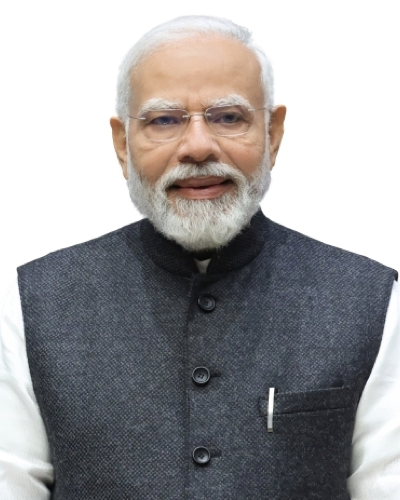
ナレンドラ・モディはインド首相として2014年以来、彼のシステム内でより大きな公式的権力を保有しており、一方、習近平は中国の大統領および共産党総書記として2013年以来、より広い国家機構の支配を命じている。
両者とも内部的な政治的圧力に直面しているが、その制度的制約は根本的に異なっている。
完全なレポートを読む表示を減らす
現在の権限と憲法上の地位
Modi serves as Prime Minister of India under a parliamentary system where executive power is distributed across multiple institutions. He has held this role since 2014 and faces no constitutional term limit; India's electoral system permits indefinite reelection. Xi Jinping occupies a more concentrated power structure as both President of China and General Secretary of the Communist Party, roles he has held since 2013. China removed presidential term limits in 2018, formally eliminating institutional checks on his tenure. On raw authority measures, Xi commands a single party apparatus controlling all state functions, while Modi operates within a competitive multi party democracy requiring coalition management and legislative consensus.
国内の安定性と政治的ストレス
Both leaders currently face significant domestic friction. Recent tracking data shows mass protests in India demanding the resignation of the poll chief, with fresh demonstrations shaking the country over voter roll management across multiple days. These represent direct challenges to Modi's electoral credibility and institutional integrity at a critical moment. India's influence score in current assessment stands at 11 out of 100, reflecting substantial internal constraint. Xi faces different but parallel pressures within the Communist Party ahead of the 2027 Party Congress, though China's controlled information environment obscures public protest data comparable to India's open reporting. The next Indian general election is scheduled for 2029, creating a defined electoral accountability mechanism Modi cannot avoid.
国際的ポジショニングと経済的軌跡
Modi's administration confronts immediate economic and technology policy challenges reflected in tracked signals emphasizing chips and technology bans alongside broader economy and rates concerns. India maintains 99 tracked signals reflecting substantial democratic discourse around policy direction. Xi's position relative to US chip export controls and technology decoupling represents a permanent structural challenge requiring constant party alignment to maintain. Neither leader currently commands the geopolitical influence their nations possessed at previous periods, with both facing rising costs of domestic legitimation.
2027年から2029年への前進の道
Modi will face electoral renewal in 2029, creating measurable institutional pressure to demonstrate governance success before then. This timeline forces performance validation through democratic mechanisms. Xi must navigate the 2027 Communist Party Congress without equivalent electoral accountability, though succession planning and factional management remain consequential. The trajectory for both shows consolidation of power within their respective systems, but Modi operates under greater transparency and reversibility than Xi. Both leaders are now in their mid to late tenure, facing the structural tests that define whether their consolidations endure.