Dlaczego Kim Jong-un Jest Tak Potężny
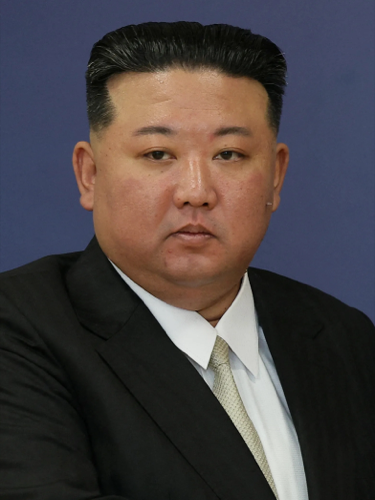
Kim Dzong Un utrzymuje władzę poprzez absolutną kontrolę armii Korei Północnej, arsenału jądrowego i aparatu państwowego od 2011 roku.
Jego wpływ wynika z dowodzenia 92 śledzonymi sygnałami w samej Korei Północnej i opanowaniem możliwości jądrowych i rakietowych (odpowiednio 63 i 41 śledzonymi sygnałami).
Przeczytaj pełny raportPokaż mniej
Odstraszanie Jądrowe
Kim Jong Un's nuclear weapons program serves as his primary power lever. Trump has recently reaffirmed a "great" relation with Kim, acknowledging the strategic reality of dealing with a nuclear armed state. This recognition legitimizes Kim's position internationally despite his influence score of only 31 out of 100.
Skonsolidowana Kontrola Krajowa
Kim rules through monopolized security forces and loyalty structures inherited from his family dynasty. South Korea's recent consideration of forced apologies for incidents like the DMZ mine blast underscores North Korea's continued ability to provoke regional action. Kim's power rests less on popularity than on an unbreakable grip over state institutions and the military apparatus that sustains his regime.