Ποιος Θα Μπορούσε να Αντικαταστήσει τον Βλαντιμίρ ΠούτινΗ θητεία λήγει: 2030
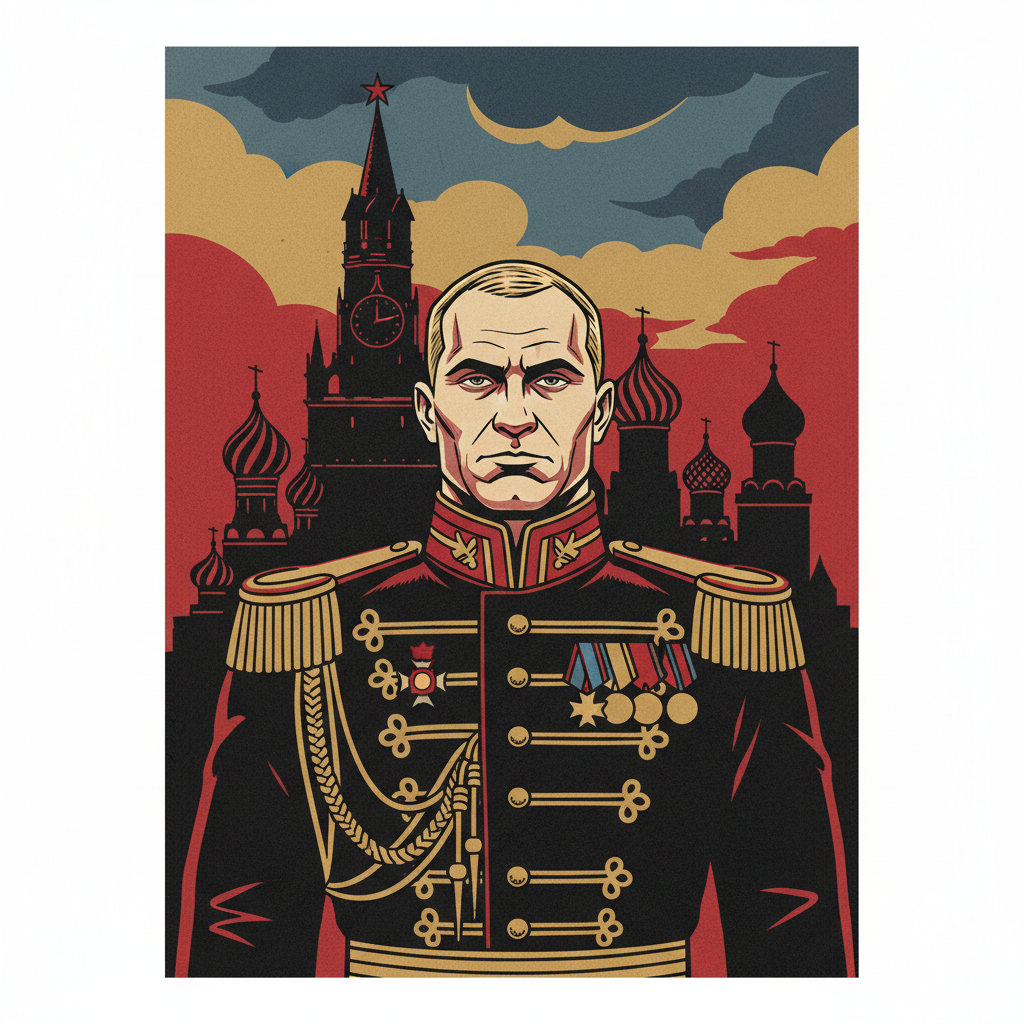
Ο Βλαντίμιρ Πούτιν παραμένει πρόεδρος της Ρωσίας έως το 2030 σύμφωνα με την τρέχουσα συνταγματική του θητεία.
Οποιοδήποτε σενάριο διαδοχής παραμένει εξαρτώμενο είτε από συνταγματικές αλλαγές, απρόβλεπτη πολιτική αστάθεια, είτε από το αποτέλεσμα των εκλογών του 2030.
Επανεξελέγη το 2024 για θητεία που θα διαρκέσει έως το 2030. Μια συνταγματική αλλαγή του 2020 επιτρέπει άλλη υποψηφιότητα το 2030.
Διαβάστε την πλήρη έκθεσηΕμφάνιση λιγότερων
Η Τρέχουσα Θέση του Πούτιν και το Συνταγματικό Πλαίσιο
Ο Πούτιν επανεξελέγη το 2024 για μια προεδρική θητεία που διαρκεί έως το 2030. Μια συνταγματική τροποποίηση του 2020 του επιτρέπει να είναι υποψήφιος ξανά το 2030, δυνητικά επεκτείνοντας τη θητεία του έως το 2036. Η βαθμολογία της επιρροής του είναι σήμερα 100 στα 100, αντανακλώντας την ενοποιημένη έλεγχο των ρωσικών κρατικών θεσμών και του μηχανισμού λήψης αποφάσεων.
Πιθανές Διαδρομές Διαδοχής
Three plausible scenarios could bring about a leadership transition before 2030. First, constitutional amendment could alter term limits or procedures, though Putin has shown no public inclination toward this approach. Second, unexpected political or military instability could force early leadership change, a low probability outcome given current institutional structures. Third, and most likely, the 2030 election will determine succession. Recent geopolitical signals show Russia actively engaged in military operations and diplomatic negotiations simultaneously, with reports indicating Putin prepares mass military mobilization while U.S. peace negotiations with Russia could involve multi billion dollar Lukoil deals, demonstrating the scope of decisions remaining under current leadership.
Βασικές Προσωπικότητες της Ρωσικής Πολιτικής Δομής
Several figures hold significant positions within Russian government but lack clear succession pathways. Prime Minister Mikhail Mishustin oversees domestic economic policy. Security Council Secretary Sergei Shoygu manages military and defense portfolios. Foreign Minister Sergei Lavrov handles diplomatic relations. None of these figures has publicly positioned themselves as successor candidates, and the opacity of Russian elite decision making prevents reliable assessment of internal power dynamics or preferences among senior officials.
Γεωπολιτικό Πλαίσιο που Διαμορφώνει τη Συνέχεια της Ηγεσίας
Current signal tracking shows 61 tracked signals emanating from Russia itself, 42 from Ukraine, and 11 from Germany, reflecting the intensity of ongoing military conflict and diplomatic engagement across European theaters. The Ukrainian conflict, now in its third year of major operations, remains the defining geopolitical challenge for any Russian leadership. Recent events including drone strikes on Kyiv infrastructure during a German chancellor's visit underscore the military dimension of current policy. Succession timing could align with conflict resolution or escalation, depending on how events develop through 2030.
The fundamental reality is that Putin holds office through 2030 absent extraordinary circumstances. Russian political succession remains opaque to outside observation, and public speculation about successors typically reflects external analysis rather than institutional evidence. Preparation for potential leadership transitions in Russia occurs within closed decision making circles inaccessible to public scrutiny or foreign intelligence assessment.