ウラジーミル・プーチンの後任者の可能性学期終了: 2030年
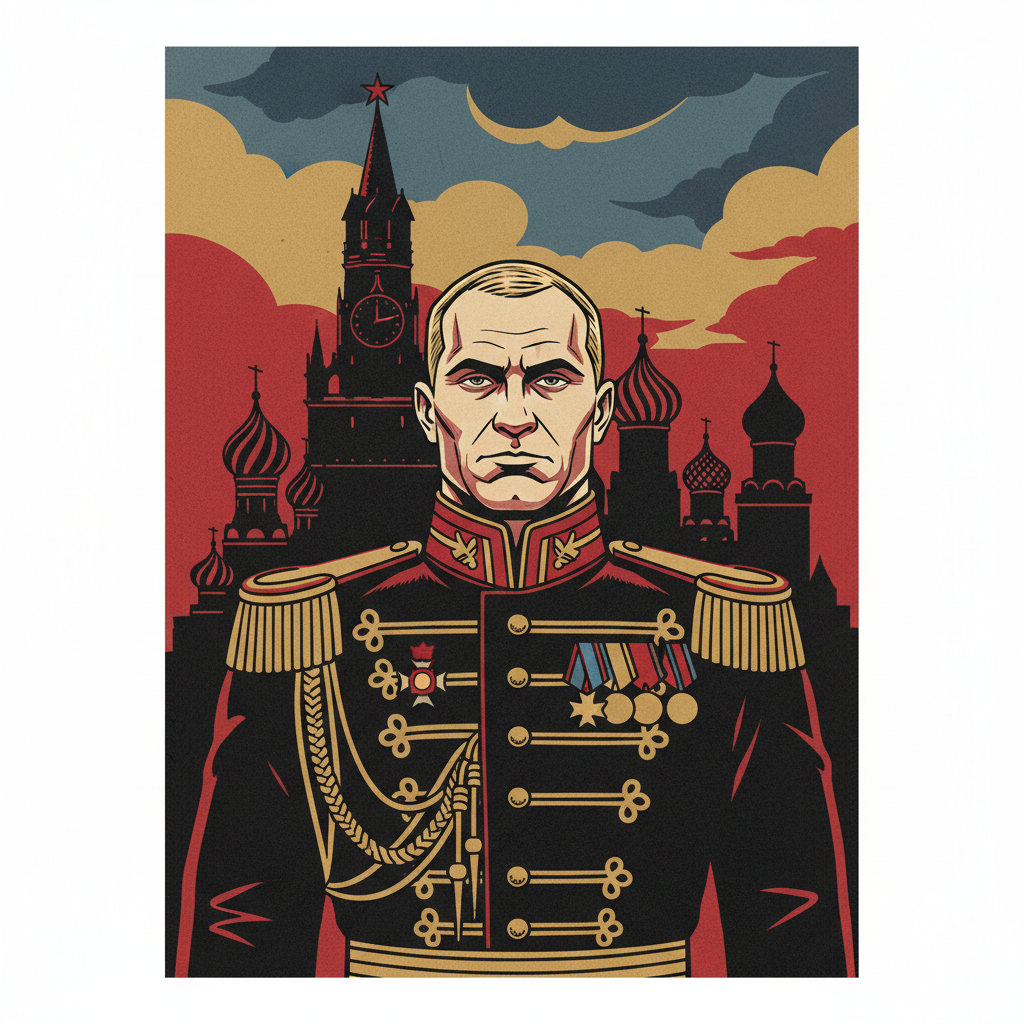
ウラジーミル・プーチンは現在の憲法上の任期により2030年までロシアの大統領を務めている。
あらゆる後継シナリオは、憲法改正、予期しない政治的不安定性、または2030年の選挙結果のいずれかに依存している。
2024年に再選され、2030年まで続く任期を獲得。2020年の憲法改正により、2030年の別の立候補が許可されています。
完全なレポートを読む表示を減らす
プーチンの現在の地位と憲法上の枠組み
プーチンは2024年に大統領任期を再選され、2030年まで延長されました。2020年の憲法改正により、彼は2030年に再び立候補することが可能になり、彼の任期を2036年まで延長する可能性があります。彼の影響力スコアは現在100点中100点を記録しており、ロシア国家機関と意思決定機構に対する統一された支配を反映しています。
潜在的な後継経路
Three plausible scenarios could bring about a leadership transition before 2030. First, constitutional amendment could alter term limits or procedures, though Putin has shown no public inclination toward this approach. Second, unexpected political or military instability could force early leadership change, a low probability outcome given current institutional structures. Third, and most likely, the 2030 election will determine succession. Recent geopolitical signals show Russia actively engaged in military operations and diplomatic negotiations simultaneously, with reports indicating Putin prepares mass military mobilization while U.S. peace negotiations with Russia could involve multi billion dollar Lukoil deals, demonstrating the scope of decisions remaining under current leadership.
ロシアの政治構造における主要人物
Several figures hold significant positions within Russian government but lack clear succession pathways. Prime Minister Mikhail Mishustin oversees domestic economic policy. Security Council Secretary Sergei Shoygu manages military and defense portfolios. Foreign Minister Sergei Lavrov handles diplomatic relations. None of these figures has publicly positioned themselves as successor candidates, and the opacity of Russian elite decision making prevents reliable assessment of internal power dynamics or preferences among senior officials.
指導力の継続性を形作る地政学的文脈
Current signal tracking shows 61 tracked signals emanating from Russia itself, 42 from Ukraine, and 11 from Germany, reflecting the intensity of ongoing military conflict and diplomatic engagement across European theaters. The Ukrainian conflict, now in its third year of major operations, remains the defining geopolitical challenge for any Russian leadership. Recent events including drone strikes on Kyiv infrastructure during a German chancellor's visit underscore the military dimension of current policy. Succession timing could align with conflict resolution or escalation, depending on how events develop through 2030.
The fundamental reality is that Putin holds office through 2030 absent extraordinary circumstances. Russian political succession remains opaque to outside observation, and public speculation about successors typically reflects external analysis rather than institutional evidence. Preparation for potential leadership transitions in Russia occurs within closed decision making circles inaccessible to public scrutiny or foreign intelligence assessment.