Wie Zou Wladimir Poetin Kunnen VervangenAmbtstermijn eindigt: 2030
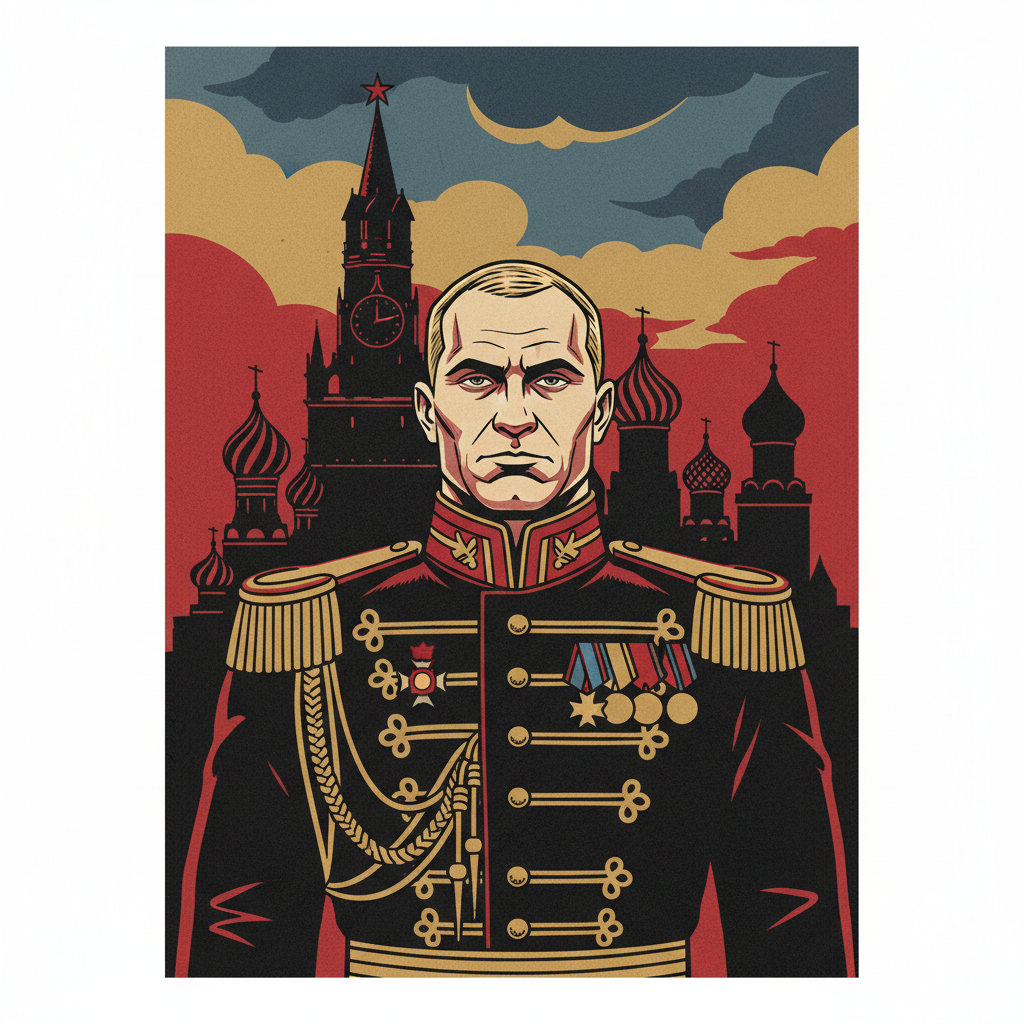
Vladimír Poetin blijft tot 2030 president van Rusland onder zijn huidige grondwettelijke termijn.
Elk opvolgingsscenario blijft afhankelijk van grondwettelijke wijziging, onverwachte politieke instabiliteit of de verkiezingsuitslag van 2030.
Herkozen in 2024 voor een termijn tot 2030. Een grondwetswijziging uit 2020 staat een ander mandaat in 2030 toe.
Lees het volledige rapportMinder weergeven
Huidige positie van Poetin en grondwettelijk kader
Poetin werd in 2024 herkozen voor een presidentiële termijn die zich uitstrekt tot 2030. Een grondwetswijziging uit 2020 stelt hem in staat om in 2030 opnieuw kandidaat te stellen, waardoor zijn ambtstermijn mogelijk tot 2036 kan worden verlengd. Zijn invloedsscore staat momenteel op 100 van de 100, wat wijst op geconsolideerde controle over Russische staatsinstellingen en het besluitvormingsapparaat.
Mogelijke opvolgingspaden
Three plausible scenarios could bring about a leadership transition before 2030. First, constitutional amendment could alter term limits or procedures, though Putin has shown no public inclination toward this approach. Second, unexpected political or military instability could force early leadership change, a low probability outcome given current institutional structures. Third, and most likely, the 2030 election will determine succession. Recent geopolitical signals show Russia actively engaged in military operations and diplomatic negotiations simultaneously, with reports indicating Putin prepares mass military mobilization while U.S. peace negotiations with Russia could involve multi billion dollar Lukoil deals, demonstrating the scope of decisions remaining under current leadership.
Belangrijke figuren in de Russische politieke structuur
Several figures hold significant positions within Russian government but lack clear succession pathways. Prime Minister Mikhail Mishustin oversees domestic economic policy. Security Council Secretary Sergei Shoygu manages military and defense portfolios. Foreign Minister Sergei Lavrov handles diplomatic relations. None of these figures has publicly positioned themselves as successor candidates, and the opacity of Russian elite decision making prevents reliable assessment of internal power dynamics or preferences among senior officials.
Geopolitieke context die leiderscontinuïteit vormt
Current signal tracking shows 61 tracked signals emanating from Russia itself, 42 from Ukraine, and 11 from Germany, reflecting the intensity of ongoing military conflict and diplomatic engagement across European theaters. The Ukrainian conflict, now in its third year of major operations, remains the defining geopolitical challenge for any Russian leadership. Recent events including drone strikes on Kyiv infrastructure during a German chancellor's visit underscore the military dimension of current policy. Succession timing could align with conflict resolution or escalation, depending on how events develop through 2030.
The fundamental reality is that Putin holds office through 2030 absent extraordinary circumstances. Russian political succession remains opaque to outside observation, and public speculation about successors typically reflects external analysis rather than institutional evidence. Preparation for potential leadership transitions in Russia occurs within closed decision making circles inaccessible to public scrutiny or foreign intelligence assessment.