Siapa Boleh Menggantikan Vladimir PutinTempoh Berakhir: 2030
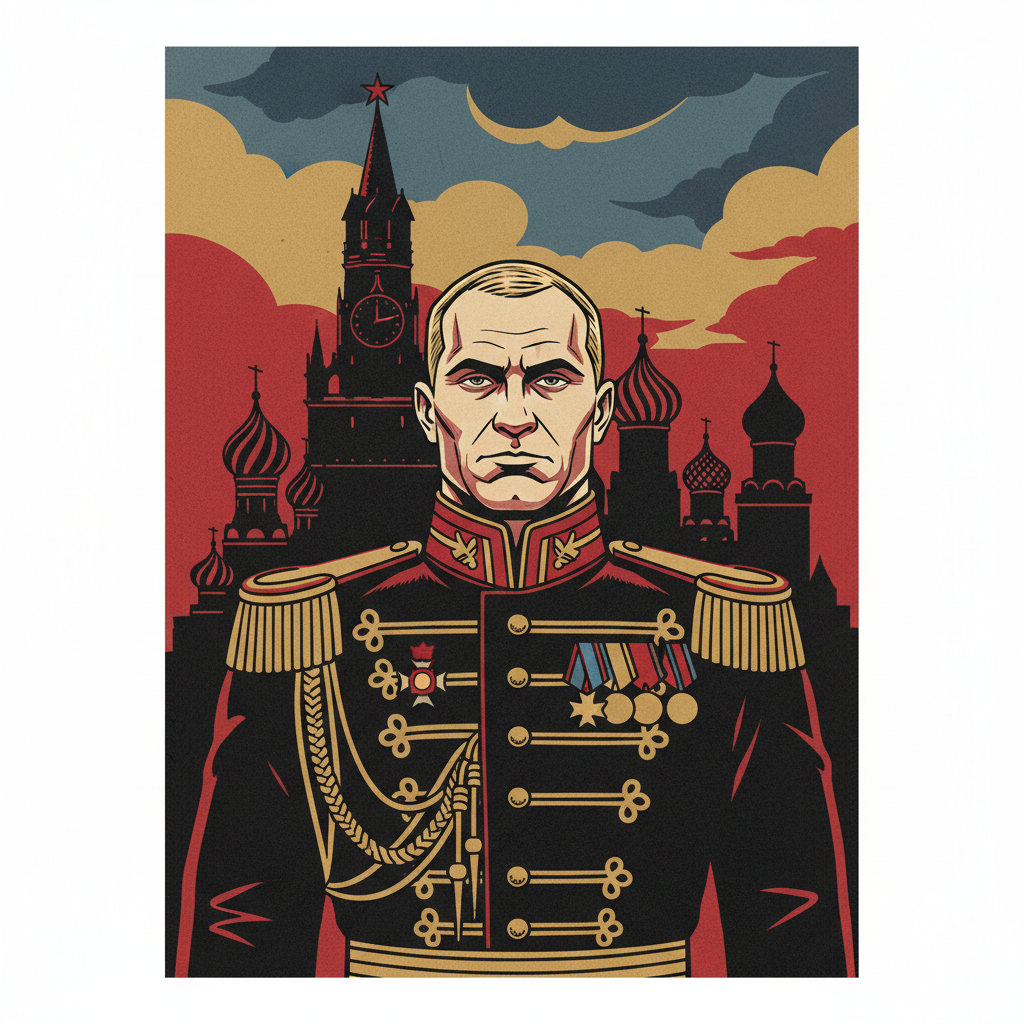
Vladimir Putin kekal sebagai presiden Rusia hingga 2030 di bawah tempoh perlembagaannya yang semasa.
Mana-mana senario penggantian tetap bergantung pada sama ada perubahan perlembagaan, ketidakstabilan politik yang tidak dijangka, atau hasil pilihan raya 2030.
Dipilih semula pada 2024 untuk penggal yang berlangsung hingga 2030. Perubahan perlembagaan 2020 membenarkan larian lain pada 2030.
Baca laporan lengkapTunjukkan kurang
Kedudukan Semasa Putin dan Kerangka Perlembagaan
Путин dipilih semula pada 2024 untuk tempoh presidensial yang berlanjutan hingga 2030. Pindaan perlembagaan 2020 membenarkan beliau berlari lagi pada 2030, berkemungkinan memanjangkan tempoh beliau hingga 2036. Skor pengaruhnya pada masa kini mencatat 100 daripada 100, mencerminkan kawalan tersatukan ke atas institusi negara Rusia dan perkakas membuat keputusan.
Laluan Penggantian Berpotensi
Three plausible scenarios could bring about a leadership transition before 2030. First, constitutional amendment could alter term limits or procedures, though Putin has shown no public inclination toward this approach. Second, unexpected political or military instability could force early leadership change, a low probability outcome given current institutional structures. Third, and most likely, the 2030 election will determine succession. Recent geopolitical signals show Russia actively engaged in military operations and diplomatic negotiations simultaneously, with reports indicating Putin prepares mass military mobilization while U.S. peace negotiations with Russia could involve multi billion dollar Lukoil deals, demonstrating the scope of decisions remaining under current leadership.
Tokoh-Tokoh Utama dalam Struktur Politik Rusia
Several figures hold significant positions within Russian government but lack clear succession pathways. Prime Minister Mikhail Mishustin oversees domestic economic policy. Security Council Secretary Sergei Shoygu manages military and defense portfolios. Foreign Minister Sergei Lavrov handles diplomatic relations. None of these figures has publicly positioned themselves as successor candidates, and the opacity of Russian elite decision making prevents reliable assessment of internal power dynamics or preferences among senior officials.
Konteks Geopolitik yang Membentuk Kesinambungan Kepemimpinan
Current signal tracking shows 61 tracked signals emanating from Russia itself, 42 from Ukraine, and 11 from Germany, reflecting the intensity of ongoing military conflict and diplomatic engagement across European theaters. The Ukrainian conflict, now in its third year of major operations, remains the defining geopolitical challenge for any Russian leadership. Recent events including drone strikes on Kyiv infrastructure during a German chancellor's visit underscore the military dimension of current policy. Succession timing could align with conflict resolution or escalation, depending on how events develop through 2030.
The fundamental reality is that Putin holds office through 2030 absent extraordinary circumstances. Russian political succession remains opaque to outside observation, and public speculation about successors typically reflects external analysis rather than institutional evidence. Preparation for potential leadership transitions in Russia occurs within closed decision making circles inaccessible to public scrutiny or foreign intelligence assessment.