¿Quién podría reemplazar a Vladímir PutinFinales del mandato: 2030
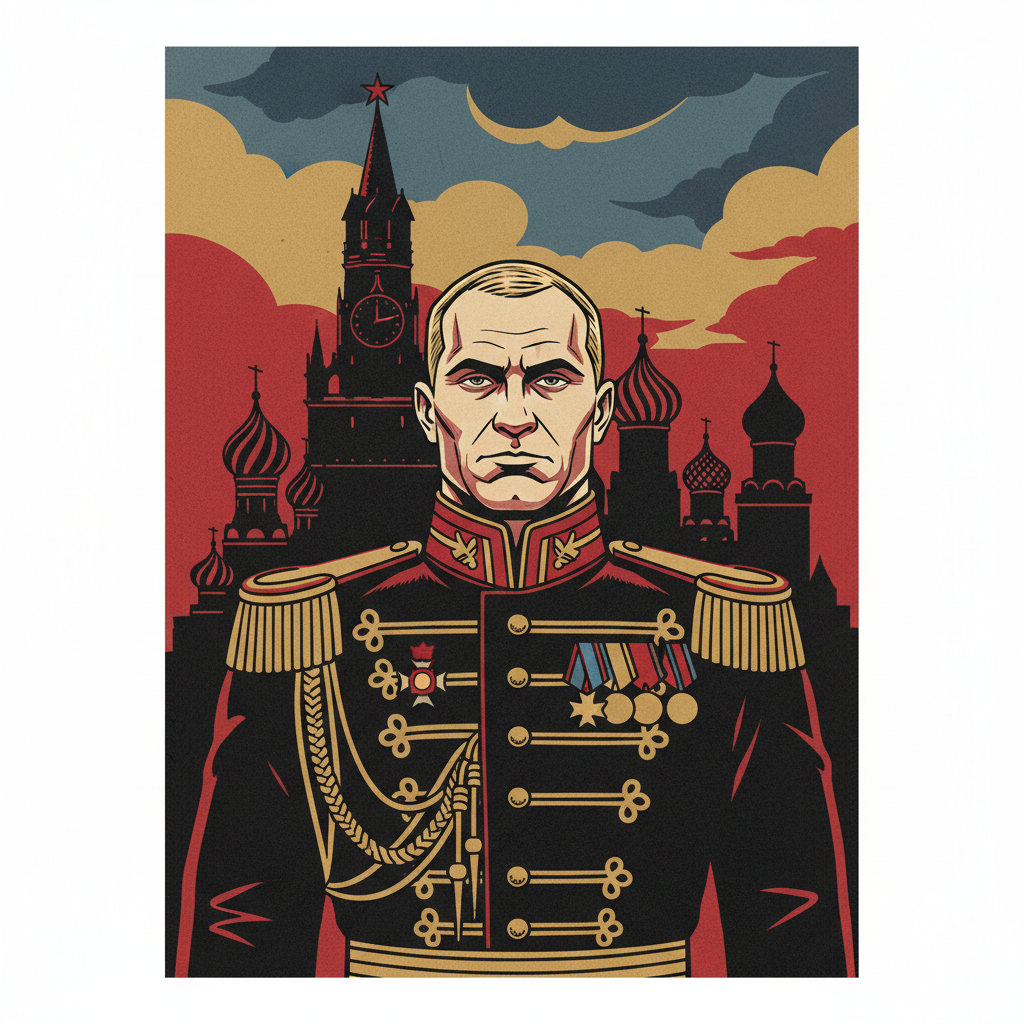
Vladímir Putin permanece como presidente de Rusia hasta 2030 bajo su actual mandato constitucional.
Cualquier escenario de sucesión sigue siendo contingente a un cambio constitucional, inestabilidad política inesperada, o el resultado de las elecciones de 2030.
Reelegido en 2024 para un mandato que se extiende hasta 2030. Un cambio constitucional de 2020 permite otra candidatura en 2030.
Leer el informe completoMostrar menos
Posición Actual de Putin y Marco Constitucional
Pútin fue reelegido en 2024 para un mandato presidencial que se extiende hasta 2030. Una enmienda constitucional de 2020 le permite postularse nuevamente en 2030, potencialmente extendiendo su mandato hasta 2036. Su puntuación de influencia actualmente se registra en 100 de 100, reflejando control consolidado sobre las instituciones estatales rusas y el aparato de toma de decisiones.
Posibles caminos de sucesión
Three plausible scenarios could bring about a leadership transition before 2030. First, constitutional amendment could alter term limits or procedures, though Putin has shown no public inclination toward this approach. Second, unexpected political or military instability could force early leadership change, a low probability outcome given current institutional structures. Third, and most likely, the 2030 election will determine succession. Recent geopolitical signals show Russia actively engaged in military operations and diplomatic negotiations simultaneously, with reports indicating Putin prepares mass military mobilization while U.S. peace negotiations with Russia could involve multi billion dollar Lukoil deals, demonstrating the scope of decisions remaining under current leadership.
Figuras Clave en la Estructura Política Rusa
Several figures hold significant positions within Russian government but lack clear succession pathways. Prime Minister Mikhail Mishustin oversees domestic economic policy. Security Council Secretary Sergei Shoygu manages military and defense portfolios. Foreign Minister Sergei Lavrov handles diplomatic relations. None of these figures has publicly positioned themselves as successor candidates, and the opacity of Russian elite decision making prevents reliable assessment of internal power dynamics or preferences among senior officials.
Contexto Geopolítico que Forma la Continuidad del Liderazgo
Current signal tracking shows 61 tracked signals emanating from Russia itself, 42 from Ukraine, and 11 from Germany, reflecting the intensity of ongoing military conflict and diplomatic engagement across European theaters. The Ukrainian conflict, now in its third year of major operations, remains the defining geopolitical challenge for any Russian leadership. Recent events including drone strikes on Kyiv infrastructure during a German chancellor's visit underscore the military dimension of current policy. Succession timing could align with conflict resolution or escalation, depending on how events develop through 2030.
The fundamental reality is that Putin holds office through 2030 absent extraordinary circumstances. Russian political succession remains opaque to outside observation, and public speculation about successors typically reflects external analysis rather than institutional evidence. Preparation for potential leadership transitions in Russia occurs within closed decision making circles inaccessible to public scrutiny or foreign intelligence assessment.