블라디미르 푸틴을 대체할 수 있는 사람기간 끝: 2030
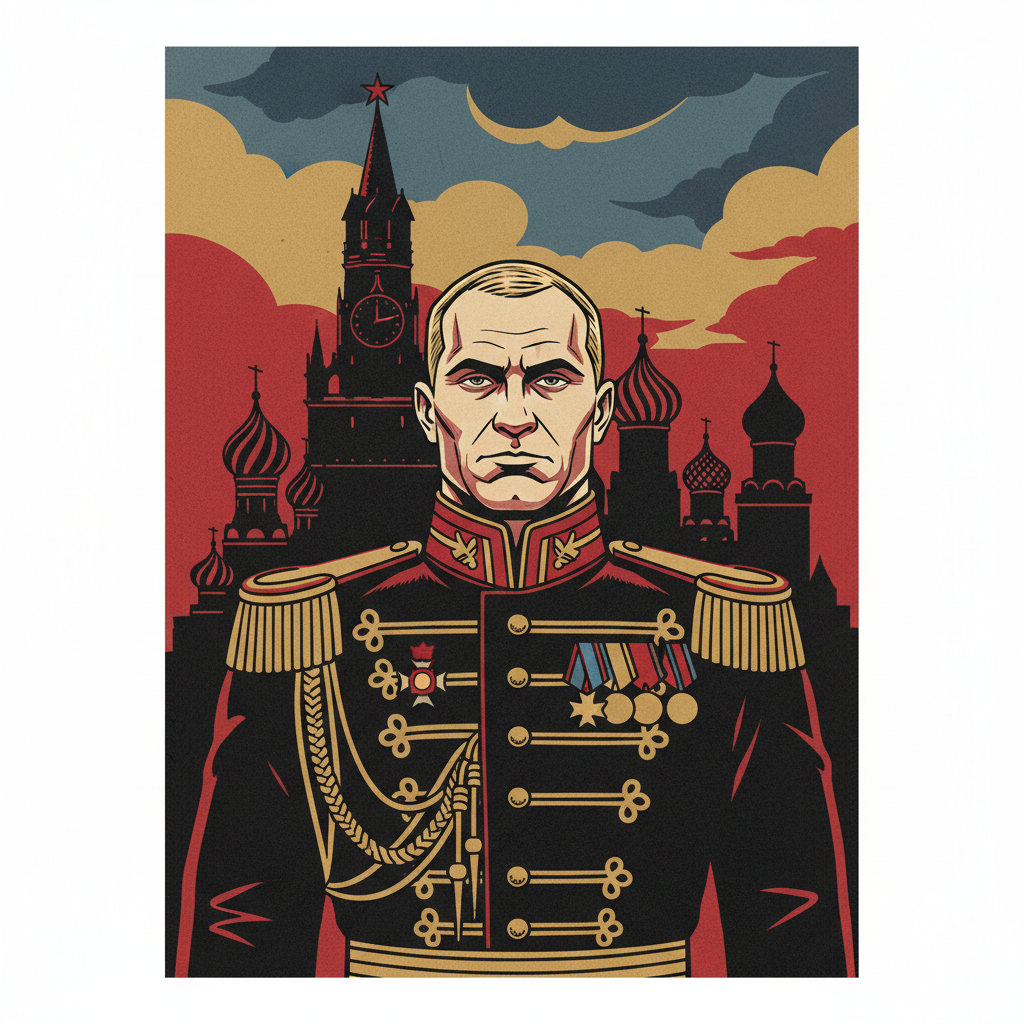
블라디미르 푸틴은 현재의 헌법적 임기를 통해 2030년까지 러시아의 대통령으로 남아있습니다.
모든 후계 시나리오는 헌법 개정, 예상치 못한 정치적 불안정, 또는 2030년 선거 결과에 따라 계속 달라집니다.
2024년에 2030년까지 계속되는 임기로 재선출됨. 2020년 헌법 개정으로 2030년에 재선출 가능.
전체 보고서 읽기줄여서 보기
푸틴의 현재 입지와 헌법 체계
푸틴은 2024년 대통령 임기로 재선되어 2030년까지 연장되었습니다. 2020년 헌법 개정은 그가 2030년에 다시 출마할 수 있도록 허용하며, 잠재적으로 그의 임기를 2036년까지 연장할 수 있습니다. 그의 영향력 점수는 현재 100점 만점 중 100점을 기록하고 있으며, 이는 러시아 국가 기관과 의사결정 기구에 대한 통합된 통제를 반영합니다.
잠재적 후계 경로
Three plausible scenarios could bring about a leadership transition before 2030. First, constitutional amendment could alter term limits or procedures, though Putin has shown no public inclination toward this approach. Second, unexpected political or military instability could force early leadership change, a low probability outcome given current institutional structures. Third, and most likely, the 2030 election will determine succession. Recent geopolitical signals show Russia actively engaged in military operations and diplomatic negotiations simultaneously, with reports indicating Putin prepares mass military mobilization while U.S. peace negotiations with Russia could involve multi billion dollar Lukoil deals, demonstrating the scope of decisions remaining under current leadership.
러시아 정치 구조의 주요 인물들
Several figures hold significant positions within Russian government but lack clear succession pathways. Prime Minister Mikhail Mishustin oversees domestic economic policy. Security Council Secretary Sergei Shoygu manages military and defense portfolios. Foreign Minister Sergei Lavrov handles diplomatic relations. None of these figures has publicly positioned themselves as successor candidates, and the opacity of Russian elite decision making prevents reliable assessment of internal power dynamics or preferences among senior officials.
지도자 연속성을 형성하는 지정학적 맥락
Current signal tracking shows 61 tracked signals emanating from Russia itself, 42 from Ukraine, and 11 from Germany, reflecting the intensity of ongoing military conflict and diplomatic engagement across European theaters. The Ukrainian conflict, now in its third year of major operations, remains the defining geopolitical challenge for any Russian leadership. Recent events including drone strikes on Kyiv infrastructure during a German chancellor's visit underscore the military dimension of current policy. Succession timing could align with conflict resolution or escalation, depending on how events develop through 2030.
The fundamental reality is that Putin holds office through 2030 absent extraordinary circumstances. Russian political succession remains opaque to outside observation, and public speculation about successors typically reflects external analysis rather than institutional evidence. Preparation for potential leadership transitions in Russia occurs within closed decision making circles inaccessible to public scrutiny or foreign intelligence assessment.